
In analyzing teacher quality data, there is inequity in Alaska schools in the areas of experience level and level of effectiveness when comparing Title I to non-Title I, high-poverty to low-poverty, and high minority to low minority schools. The inequity is entrenched. New strategies need to be identified and implemented.
The Alaska Department of Education & Early Development (DEED) will work with stakeholders to build awareness of the inequitable access to experienced and effective educators and collaborate with stakeholders to identify and implement appropriate strategies to decrease inequity.
By using a variety of strategies, DEED will inform and engage stakeholders. The development of school and district equity strategies that address their unique challenges and priorities will be grounded in stakeholders’ diverse voices.
Success will be dependent on communities, stakeholders, and policy makers’ engagement as well as resource allocation at the school, district, and state levels.
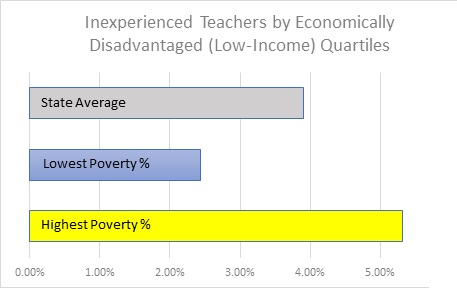
Inexperienced Teachers
Are almost 2 times more likely to teach Economically Disadvantaged (Low Income) Students
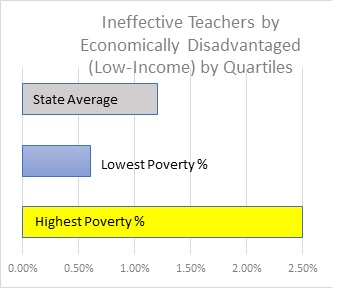
Ineffective Teachers
Are almost 5 times more likely to teach Economically Disadvantaged (Low-Income) Students
In targeted districts/schools:
In five years, targeted districts and school will have experienced:
In ten years:
Alaska submitted the Equitable Access to Excellent Educators Plan for Alaska on June 1, 2015.
Alaska’s Equity Plan was revised and resubmitted on October 9, 2015 and approved on October 22, 2015.
Equitable Access to Excellent Educators Plan for Alaska (approved 10/15)