
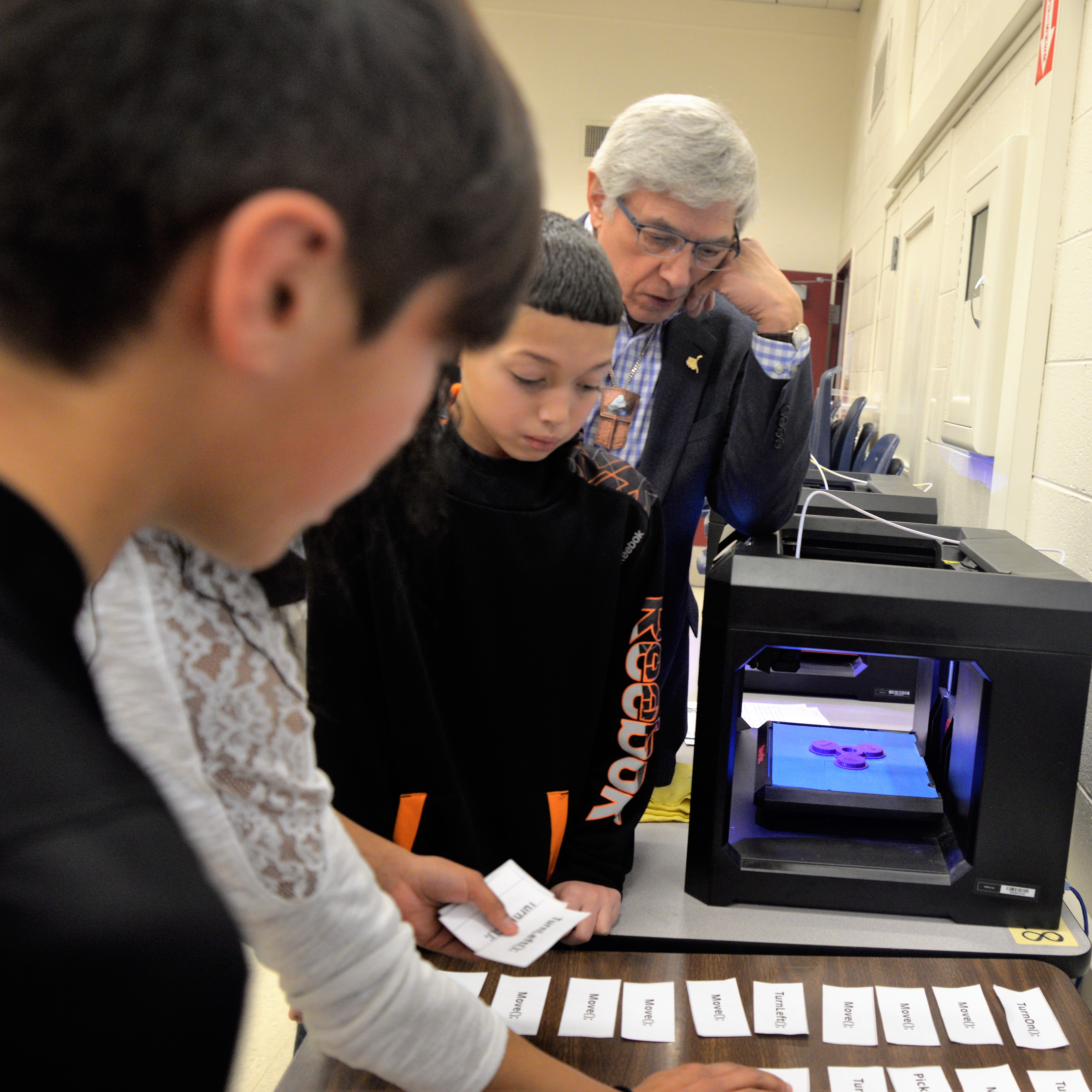
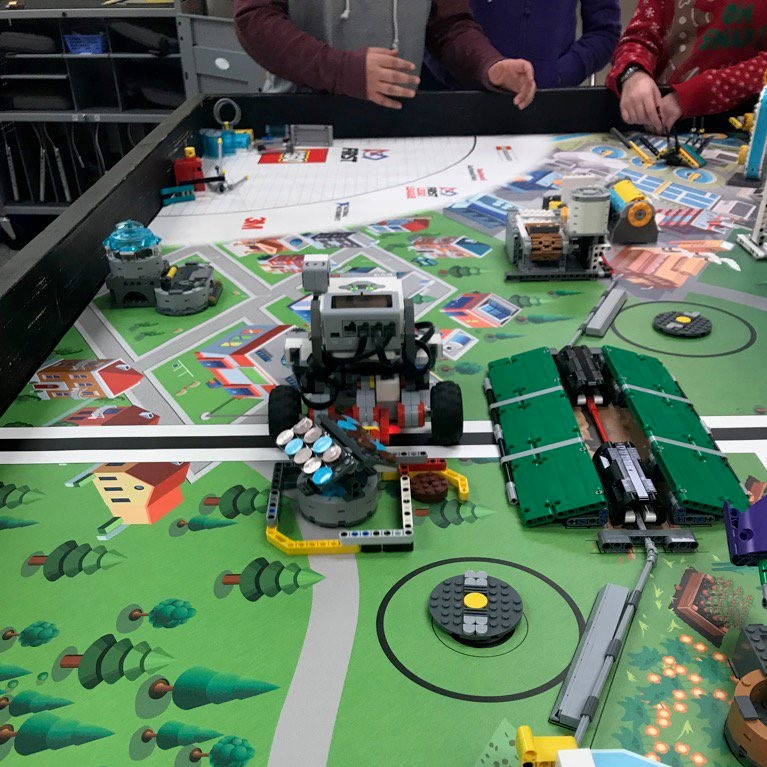
The education technology office at DEED is dedicated to supporting the rich integration of technology into instructional practice, supporting K-12 technology infrastructure development, and the advancement of personalized learning, maker education, digital citizenship, and computer science instruction in Alaskan schools.

The Speak Up National Research Project collects and reports data on STEM-related topics and the use of educational technology among K-12 students, their families, educators, administrators, and the edtech staff who support technology-enriched teaching and learning. Get the details from their data findings page.
Note: Please consult your district administration to ensure you follow any local policies regarding grants.
Check out the grant information page on Edutopia for a list of funding organizations and technology donation programs, as well as other grant and funding resources.
Note: Please consult your district administration to ensure you follow any local policies regarding DonorsChoose.org.
At DonorsChoose.org, public school teachers post requests for classroom projects – everything from pencils to video projectors, to musical instruments, and much more. Citizen philanthropists can then browse the requests and donate to projects, and DonorsChoose.org has the materials delivered. Learn more about the program on their about page.
The Alaska Department of Education and Early Development (DEED) works on behalf of Alaska school districts to manage programs of statewide interest. School districts in Alaska are, by law, independent entities and make all of their own decisions regarding purchases.
With few exceptions, DEED will never select or purchase products or services directly for school districts. Alaska school districts are empowered to make curricular and infrastructure purchases that meet their unique needs.
If you are interested in introducing your product to Alaskan school districts, we suggest reaching out to individual school districts. School district information can be found on our Alaskan Schools page.
DEED provides E-Rate support to school districts via our consultant, Valerie Oliver. You can email Valerie or call 907-227-4051 for assistance.
As part of Alaska’s Education Challenge, Governor Bill Walker and the Alaska Department of Education (DEED) have partnered with the national non-profit EducationSuperHighway to launch the Alaska K-12 Broadband Initiative to expand high-speed Internet access to schools across Alaska.
All tools and resources are provided to Alaskan school districts at no cost. Services will include:
The Alaska Department of Education and Early Development, with the support of Common Sense Education, BrainPOP, GoogleEdu, and ISTE, is pleased to sponsor the Alaska Digital Citizenship Week.
This dedicated week is part of an ongoing effort to teach students how to make safe, smart, and ethical decisions in the digital world. On this page you will find resources to empower students, parents and educators to be informed and responsible online, and reflect on how our digital lives impact our social and emotional well-being.
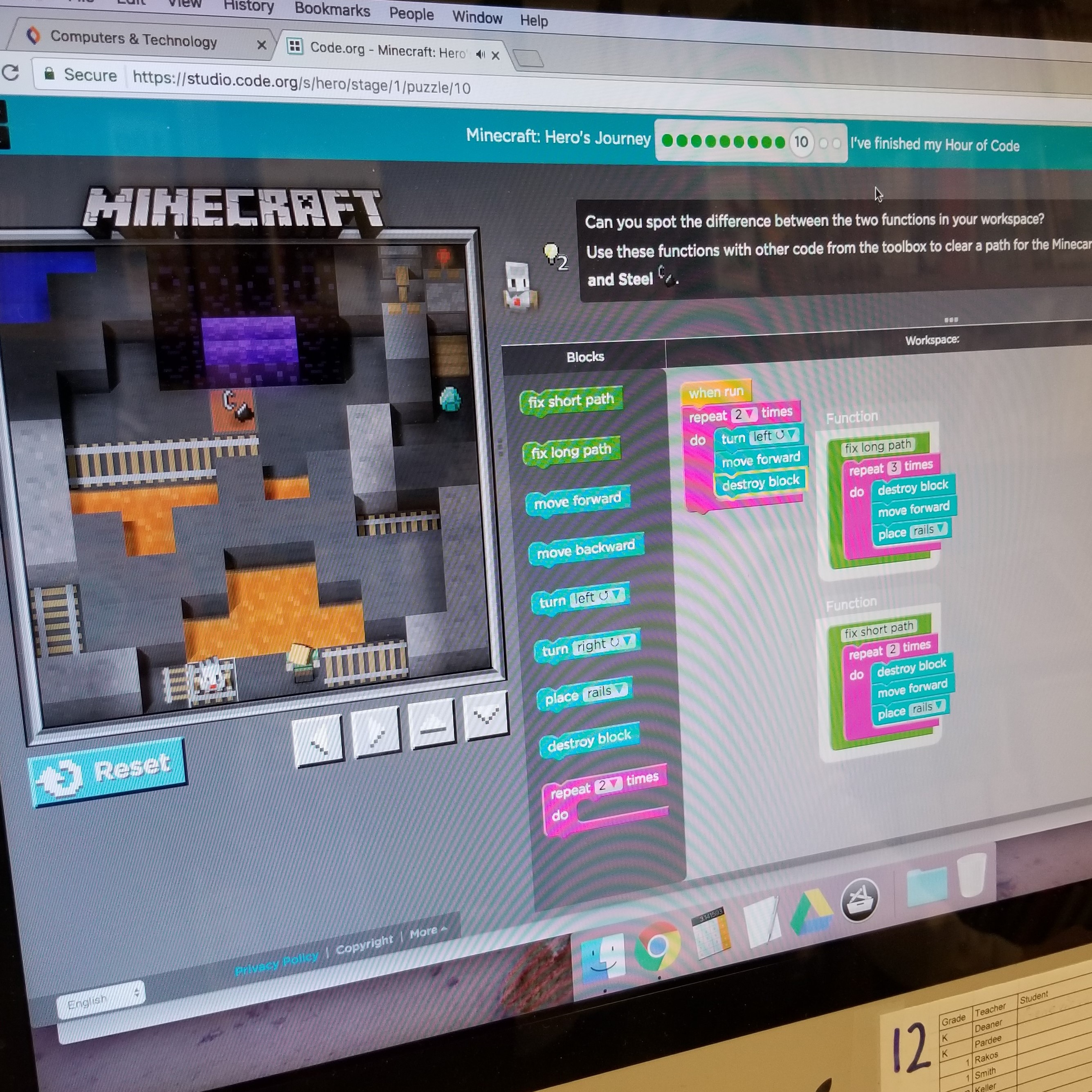
Simply put, ‘coding’ is giving instructions to computers to do something. It is what makes it possible for us to create computer software, apps and websites. Your internet browser, the apps on your phone, Facebook, and this website – they're all made with code, by people who code.
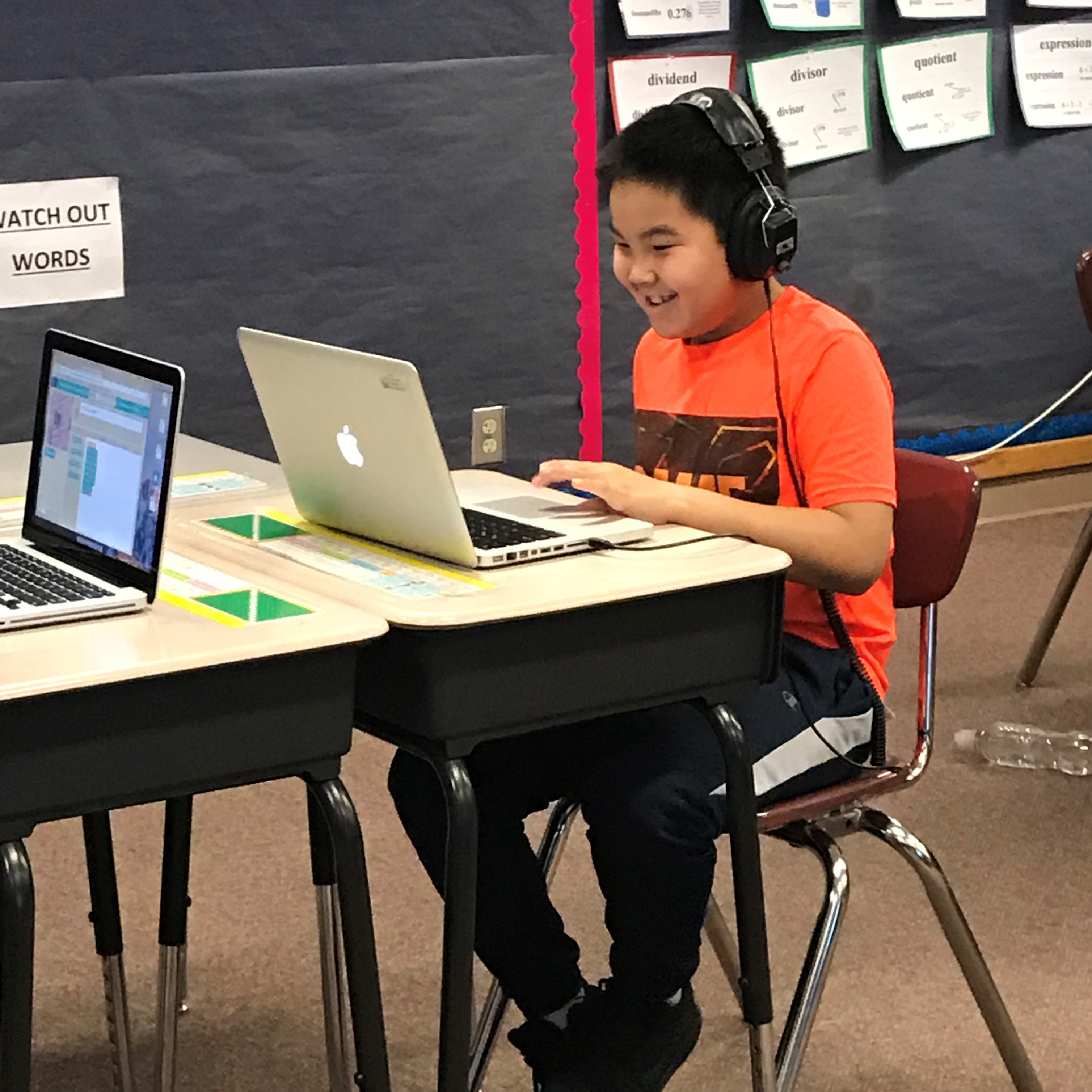
Our goal is simple: Introduce more Alaskan students to coding! Check out the following links for fast and easy ways to get you or your students coding today:
Computer science informs almost every aspect of our lives, from communications to shopping to national security and government. Coding is the basic foundation of computer science, and an area that every public school can benefit from teaching. And the best thing is that ANYONE can learn to code.
Learn more from the experts!
The Hour of Code is a free introduction to computer science through fun activities and videos for learners of all skill levels. This year's celebration of both coding and AI is supported by over 400 partners, 20,000 educators, and 58,000 volunteers.
Visit Hour of CodeLet us know on social media how your class, school, district is participating with the hashtags #AlaskaWeekOfCode and #aklearns.